
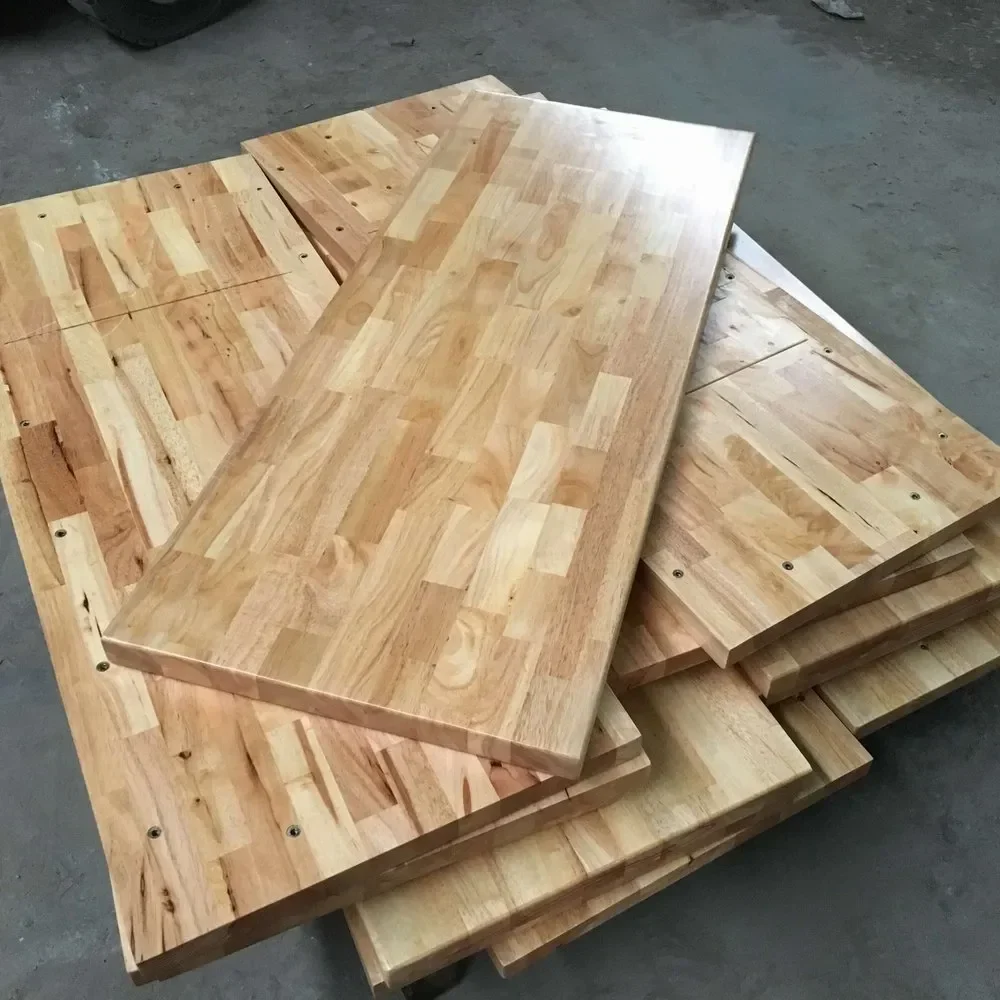
Rubber wood has quickly become one of the most popular alternatives to light tropical hardwoods and is now widely used for manufacturing furniture and interior building components. Its popularity is driven by its excellent woodworking properties, good durability, and economical cost—mainly because rubber wood is an agricultural by-product.
Once rubber trees stop producing latex, they are felled and replaced with new plantations. Instead of being wasted, the harvested trees are processed into timber. This makes rubber wood a sustainable, eco-friendly, and renewable resource, giving it a strong advantage over traditional forest hardwoods, which come with higher raw material costs.
Extensive research, development, and active global marketing have helped rubber wood gain international acceptance as a reliable, “green” timber. Today, it is one of Southeast Asia’s major export timbers, valued for its quality, affordability, and environmental benefits. As demand continues to grow, the expansion of rubber plantations across Southeast Asia will play a key role in meeting future supply needs.
Applications
Indoor furniture
Cabinets and shelves
Interior paneling
Doors and frames
Decorative items
Wooden handicrafts
Interior building components
Available Size
8 ft × 4 ft
Available Thickness (mm)
12 mm
18 mm
25 mm