
Common Names
Afrormosia, Afromosia, African Teak
Color & Appearance
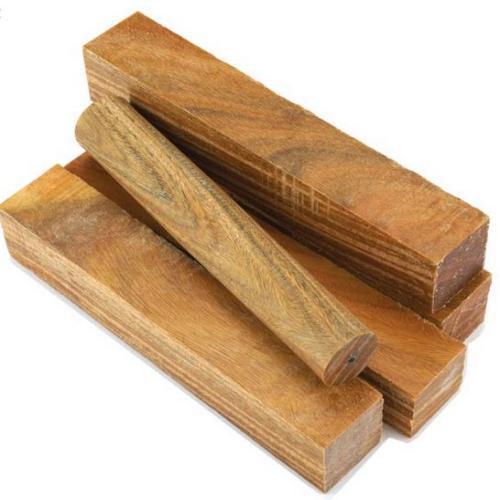
The heartwood typically shows a warm yellow-brown tone, often with subtle reddish or olive highlights. Over time, the color naturally deepens, giving the wood a richer, more mature look.
Grain & Texture
Afrormosia features a straight to interlocked grain with a fine, even texture and a soft natural sheen.
Its endgrain is diffuse-porous, with small to medium pores, infrequent deposits, and growth rings that may appear distinct due to marginal parenchyma.
Durability & Rot Resistance
Highly valued for its exceptional resistance to decay, termites, and other insects, Afrormosia performs extremely well in harsh or outdoor environments.
Workability
The wood is generally easy to machine and hand-work, though interlocked grain may cause minor tearout. It glues, turns, stains, and finishes reliably. The only drawbacks include slight blunting of cutting edges and the potential for dark staining if it contacts iron when damp. It also produces a noticeable odor during machining.
Health Considerations
Afrormosia can act as a mild sensitizer for some people. Possible reactions include eye, skin, or respiratory irritation. In rare cases, workers report nervous-system-type effects or increased infection risk from splinters.
Pricing & Availability
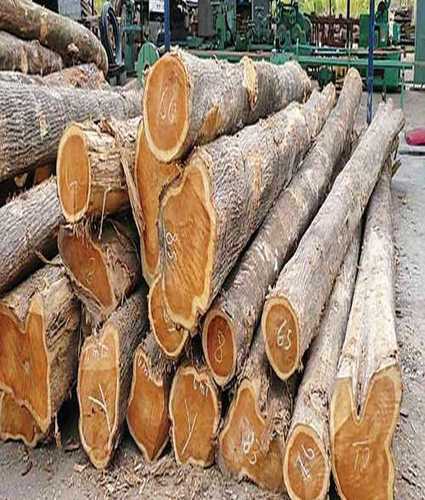
Supply is tightly regulated, but the wood is usually available in good sizes. Prices fall in the medium-to-high range compared to other imported African hardwoods.
Sustainability Status
This species is listed under CITES Appendix II and classified as Endangered on the IUCN Red List due to heavy exploitation and shrinking natural habitat.
Pricing & Availability
Afrormosia is widely used for:
Boatbuilding
Veneer
Flooring
Window & door frames
Shutters
Fine furniture
Decorative or structural outdoor work